The growing importance of sustainability in logistics and supply chain management has led businesses to explore alternatives to traditional packaging and transportation materials. One such solution is the use of Environmentally Friendly Molded Pallets, which not only reduce environmental impact but also enhance the overall efficiency of supply chains. This article delves into how these pallets contribute to reducing carbon footprints in supply chains, examining various aspects such as material properties, recycling, cost-effectiveness, and long-term sustainability.
Introduction to Environmentally Friendly Molded Pallets
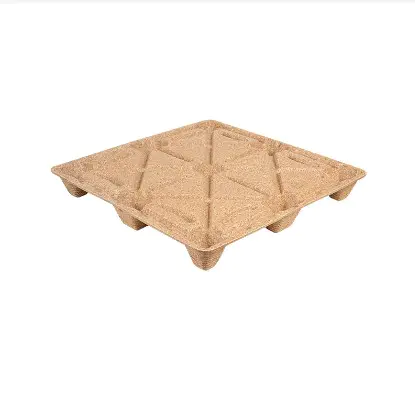
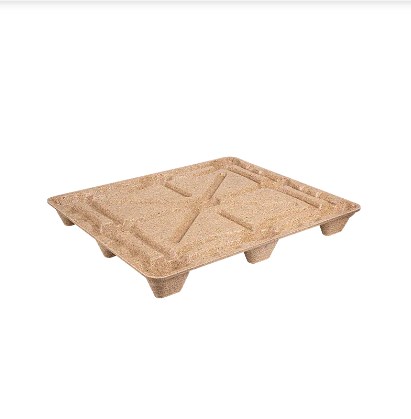
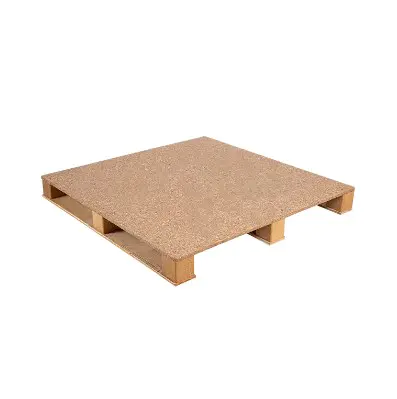
Environmentally Friendly Molded Pallets are made from sustainable materials such as recycled plastics, and they serve as a greener alternative to traditional wooden pallets. These pallets are designed to reduce the environmental impact of logistics operations while maintaining durability and load-bearing capacity.
Key Characteristics of Environmentally Friendly Molded Pallets
Materials and Construction
The production of Environmentally Friendly Molded Pallets typically involves the use of recycled materials like polyethylene (PE) and polypropylene (PP). These plastics are both recyclable and durable, offering a sustainable alternative to traditional wooden pallets, which contribute to deforestation and excessive waste.
Comparison of Materials
| Material |
Wooden Pallets |
Molded Plastic Pallets |
| Environmental Impact |
High carbon footprint due to deforestation |
Low carbon footprint, recyclable, and reusable |
| Durability |
Prone to wear and damage |
High durability, resistant to environmental factors |
| Weight |
Heavy and cumbersome |
Lightweight, reducing transport costs |
How Environmentally Friendly Molded Pallets Reduce Carbon Footprint in the Supply Chain
Reduction in Carbon Emissions during Manufacturing
Compared to wooden pallets, the manufacturing of Environmentally Friendly Molded Pallets generates significantly lower carbon emissions. The process of recycling plastics uses less energy and emits fewer pollutants than cutting down trees and processing wood. Additionally, the use of recycled materials in pallet production further reduces the overall environmental impact.
Optimizing Shipping and Transportation
One of the major advantages of molded plastic pallets is their lighter weight compared to traditional wooden pallets. This reduction in weight leads to less fuel consumption during transportation, ultimately contributing to lower carbon emissions. Moreover, the stackability and durability of molded pallets allow for more efficient use of cargo space, reducing the number of trips needed to transport goods.
Comparison of Carbon Footprint Reduction
| Aspect |
Wooden Pallets |
Molded Plastic Pallets |
| Carbon Emissions during Manufacturing |
High due to deforestation and energy-intensive production |
Low uses recycled materials and energy-efficient processes |
| Fuel Consumption in Transport |
Higher due to heavier weight |
Lower, lightweight, and optimized for shipping |
| Waste Generation |
Wood waste, typically not recyclable |
Recyclable, reducing landfill waste |
The Role of Environmentally Friendly Molded Pallets in Sustainable Packaging
Reducing Packaging Waste
Environmentally Friendly Molded Pallets are an integral part of the shift towards sustainable packaging. These pallets can be used multiple times, reducing the need for single-use packaging materials like cardboard or plastic wraps. Their durable construction allows them to withstand multiple shipments, minimizing the amount of waste generated in the supply chain.
Long-Term Environmental Benefits
Incorporating molded plastic pallets into packaging strategies contributes to a circular economy by encouraging recycling and reusability. As they can be reused for many years, their environmental impact is spread over a longer period, and they help reduce the demand for virgin materials. Additionally, many molded plastic pallets are designed to be fully recyclable at the end of their life cycle.
Comparison of Packaging Waste Reduction
| Packaging Material |
Wooden Pallets |
Molded Plastic Pallets |
| Waste Generation |
Produces wood scraps, difficult to recycle |
Reusable, reduces waste generation |
| Recycling |
Wood is not easily recyclable |
Fully recyclable at the end of life |
The Recycling and Reusability of Environmentally Friendly Molded Pallets
Lifecycle and Circular Economy
One of the greatest advantages of molded plastic pallets is their recyclability. After their use in the supply chain, these pallets can be sent back to the manufacturing facility to be repurposed into new pallets or other products. This cyclical process helps to reduce the need for new raw materials and decreases the overall waste produced by the pallet industry.
Recycling Process
The recycling process for Environmentally Friendly Molded Pallets is straightforward and involves grinding down used pallets into small plastic pellets, which can then be used to create new pallets. This process conserves resources, reduces energy use, and cuts down on the carbon emissions that would otherwise be associated with producing new plastic from virgin materials.
Comparison of Recycling Processes
| Material |
Wooden Pallets |
Molded Plastic Pallets |
| Recycling Process |
Wood is often discarded as waste |
Can be melted down and reused in manufacturing |
| Recycling Efficiency |
Low, wood is difficult to recycle |
High, easy to recycle and repurpose |
Conclusion: The Future of Environmentally Friendly Molded Pallets in Supply Chains
The use of Environmentally Friendly Molded Pallets presents a significant opportunity for businesses to reduce their carbon footprint, enhance sustainability efforts, and lower operational costs. As the world continues to prioritize environmental responsibility, these pallets offer a practical and effective solution for companies aiming to reduce their environmental impact while maintaining high standards of durability and performance.
FAQs
- What are the environmental benefits of using Environmentally Friendly Molded Pallets? Molded pallets reduce carbon emissions during manufacturing, are lightweight for more fuel-efficient transport, and are fully recyclable at the end of their life cycle.
- How do Environmentally Friendly Molded Pallets compare to wooden pallets? Molded plastic pallets have a lower carbon footprint, are more durable, and can be reused or recycled multiple times, unlike wooden pallets, which contribute to deforestation and waste.
- Can Environmentally Friendly Molded Pallets be recycled? Yes, molded plastic pallets can be fully recycled, reducing waste and conserving resources for future use.
- Are Environmentally Friendly Molded Pallets more cost-effective than traditional pallets? Although they may have a higher upfront cost, molded plastic pallets offer long-term savings due to their durability, reusability, and reduced waste disposal costs.
- How do Environmentally Friendly Molded Pallets help reduce packaging waste? They can replace single-use packaging materials and be reused many times, contributing to a reduction in overall packaging waste.
 English
 Français
 Español
 عربى
عربى