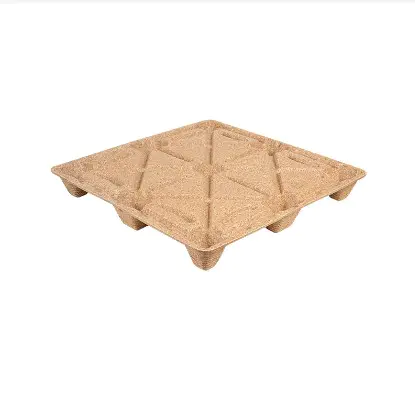
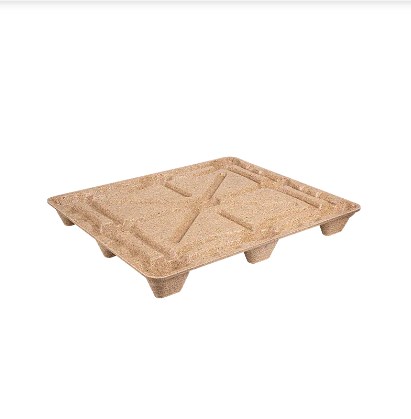
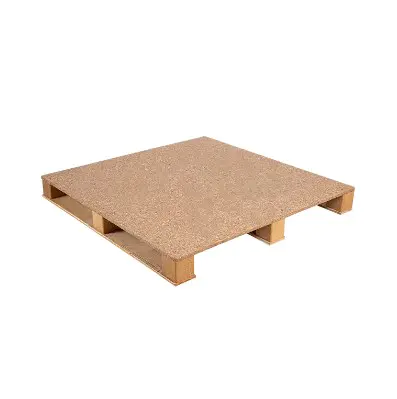
Pressed wood pallets represent a highly sustainable and efficient solution for modern supply chains. By utilizing wood by-products and resin molded under extreme heat and pressure, these pallets offer a uniform, durable, and nestable shipping platform. The core advantage is that the high-temperature manufacturing process naturally sterilizes the material, thereby exempting it from international fumigation regulations. For export-oriented businesses, this provides immediate compliance with global shipping standards, significantly reduces warehouse storage footprint, and lowers the overall carbon footprint of logistics operations. Transitioning to pressed wood pallets is a practical, forward-looking decision for any company aiming to optimize costs while meeting stringent environmental and export requirements.
Understanding the Manufacturing Process
To fully appreciate the capabilities of pressed wood pallets, it is essential to understand how they are constructed. Unlike traditional pallets that are built by nailing together individual pieces of cut lumber, pressed wood pallets are created through a molding process. This fundamental difference in construction is what gives them their unique characteristics and advantages.
Raw Material Sourcing and Preparation
The primary materials used in the production of these pallets are wood waste products, such as sawdust, wood shavings, and damaged lumber that would otherwise be discarded or sent to landfills. This makes the raw material highly sustainable and cost-effective. The wood fibers are chipped, ground, and dried to a specific moisture content to ensure optimal bonding during the pressing phase.
High-Pressure Molding
Once the wood fibers are prepared, they are mixed with a synthetic resin or adhesive binder. This mixture is then placed into a large, heated mold. The mold is subjected to massive pressure and high temperatures. During this process, the resin cures and binds the wood fibers together into a single, solid piece. The resulting pallet has no nails, staples, or sharp edges. The intense heat generated during this molding process is crucial, as it permanently destroys any pests, fungi, or pathogens present in the raw wood.
Key Advantages for Modern Supply Chains
The shift from traditional wooden or plastic pallets to pressed wood alternatives is driven by several distinct operational benefits. These advantages address common pain points in warehousing, shipping, and environmental compliance.
Seamless International Export Compliance
One of the most significant barriers in international shipping is the requirement to comply with ISPM-15 (International Standards for Phytosanitary Measures). This regulation requires traditional solid wood packaging to be heat-treated or fumigated to prevent the spread of invasive insects. Pressed wood pallets are completely exempt from ISPM-15 regulations. Because the wood is processed at temperatures that exceed the required standard for sterilization, the pallets are inherently pest-free. This eliminates the need for expensive fumigation treatments, reduces customs clearance delays, and simplifies the export documentation process.
Space Efficiency Through Nestable Designs
Warehouse space is a premium asset. Traditional pallets are usually stackable, meaning they can only be placed on top of one another, leaving empty space between the top deck and the bottom support. Pressed wood pallets are often designed to be nestable. Their legs are hollow, allowing the legs of one pallet to slide into the base of another. This design feature allows businesses to store a significantly larger number of empty pallets in the same vertical space. When a large fleet of empty pallets needs to be returned or stored, the space savings are substantial.
Enhanced Workplace Safety
Traditional pallets present several safety hazards. They have protruding nails that can catch on packaging, tear gloves, or damage goods. Broken boards can create splinters, and loose components can cause loads to shift. Pressed wood pallets have a smooth, unified surface with no nails or exposed fasteners. This design protects both the workers handling the pallets and the products resting on them. The solid deck also provides better support for smaller or fragile items that might fall through the gaps of a standard stringer pallet.
Comparing Pressed Wood to Traditional Alternatives
Choosing the right pallet material depends on the specific application, but a comparative analysis reveals where pressed wood pallets excel. The table below outlines the fundamental differences between pressed wood, traditional solid wood, and plastic pallets.
Comparison of common pallet types used in global logistics.
| Feature |
Pressed Wood Pallets |
Traditional Wood Pallets |
Plastic Pallets |
| ISPM-15 Compliance |
Exempt (Inherently sterile) |
Requires treatment/certification |
Exempt |
| Storage Footprint |
Nestable (Space-saving) |
Stackable only |
Available in both designs |
| Surface Integrity |
Smooth, no nails |
Nails, gaps, splinters |
Smooth, molded |
| Environmental Impact |
Uses recycled wood waste |
Requires new timber cutting |
High energy cost to recycle |
| Initial Cost |
Moderate |
Low |
High |
As demonstrated, pressed wood pallets strike a vital balance. They offer the high-end benefits of plastic pallets—such as smooth surfaces and pest exemption—at a cost point much closer to traditional wood.
Practical Considerations for Implementation
While pressed wood pallets are highly versatile, businesses must evaluate their specific operational needs before making a full transition. Proper assessment ensures maximum return on investment and prevents potential logistical issues.
Load Capacity and Static vs. Dynamic Ratings
Pressed wood pallets are incredibly strong for their weight, but their load profiles differ slightly from thick-cut lumber pallets. It is critical to distinguish between static load capacity (the weight a pallet can hold while sitting stationary on a warehouse floor) and dynamic load capacity (the weight it can hold while being moved by a forklift). Most pressed wood pallets offer excellent static load capacities that easily handle heavy industrial goods stacked over long periods. However, dynamic loads should be carefully managed according to manufacturer specifications to prevent structural fatigue during transit.
Moisture and Environmental Exposure
Because they are held together by resin binders, pressed wood pallets are generally more dimensionally stable than standard wood and do not warp as easily with humidity changes. However, they are not entirely waterproof. Prolonged exposure to heavy rain or standing water can eventually degrade the wood fibers and compromise the structural integrity. For outdoor storage or open-air shipping, it is advisable to use protective wrapping or ensure the pallets are kept under cover.
Custom Sizing and Footprint
The molding process allows for a high degree of customization without the need for complex carpentry. Businesses that ship uniquely sized products can often order molded pallets that fit their exact dimensions. Optimizing the pallet size to the product reduces wasted space inside shipping containers and trucks, directly lowering freight costs per unit.
Ideal Industry Applications
Certain industries benefit more than others from the unique properties of pressed wood pallets. Their clean appearance, lack of nails, and export readiness make them particularly suited for specific sectors:
- Electronics and Technology: Sensitive electronic components require a clean shipping environment. Nails and loose splinters from traditional pallets can puncture anti-static bags or scratch delicate housings. The smooth, solid deck of a pressed wood pallet eliminates this risk entirely.
- Consumer Goods and Retail: Products such as cosmetics, packaged foods, and clothing benefit from the aesthetic cleanliness of molded pallets. Furthermore, the nestability is highly advantageous for retail backrooms where space is extremely limited.
- Export Manufacturing: Any manufacturer shipping goods across international borders can leverage the ISPM-15 exemption to streamline their logistics. This is especially valuable for companies exporting machinery parts, automotive components, or hardware, where customs delays can be costly.
- Pharmaceuticals: The pharmaceutical industry demands high levels of hygiene. Unlike used wooden pallets that may harbor contaminants, pressed wood pallets offer a fresh, sterile, and smooth surface that meets strict cleanliness guidelines.
Steps to Transition Your Logistics to Pressed Wood Pallets
For businesses looking to adopt this packaging solution, a structured approach will ensure a smooth transition. Consider the following steps:
- Audit your current product weights and dimensions to determine the required static and dynamic load capacities.
- Measure your warehouse racking and forklift dimensions to ensure compatibility with the base design of the pressed wood pallets.
- Calculate the potential savings in freight volume by optimizing pallet footprints to fit more units per container.
- Conduct a trial run with a small batch of pressed wood pallets to assess their performance with automated packaging lines or stretch wrappers.
- Train warehouse staff on the handling of the new pallets, highlighting the space-saving benefits of nesting empty units safely.
By following these practical steps, organizations can effectively integrate pressed wood pallets into their supply chain, reaping the rewards of lower transport costs, faster export processing, and a significantly reduced environmental impact.
 English
 Français
 Español
 عربى
عربى