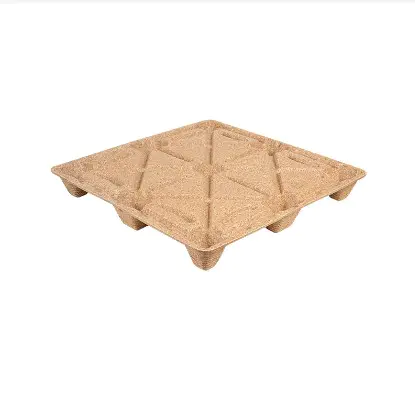
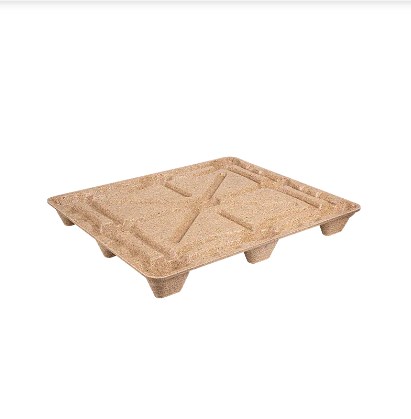
The single-sided nine-legged molded wooden pallet represents a significant leap in logistics packaging by offering an optimal balance of structural integrity, high load-bearing capacity, and environmental adaptability. Utilizing advanced wood-plastic composite (WPC) materials and precision injection molding processes, this pallet type delivers the traditional strength of wood combined with the moisture resistance and consistency of engineered plastics. It is an ideal choice for businesses seeking to optimize supply chain operations without compromising on hygiene, durability, or operational efficiency.
Structural Design and Material Composition
Understanding the physical and chemical properties of this pallet is essential for maximizing its utility in complex supply chain networks. The design incorporates specific geometrical and material advantages.
The Nine-Legged Framework
The nine-legged configuration is strategically engineered to distribute weight uniformly across the pallet's surface. This 3x3 grid layout ensures that heavy loads do not cause localized stress, preventing warping or structural failure. Furthermore, the leg design allows for seamless entry by pallet jacks and forklifts from all four sides, significantly enhancing maneuverability in tight warehouse aisles.
Injection Molded Wood-Plastic Composite
The material composition bridges the gap between natural timber and synthetic polymers. By combining wood fibers with thermoplastic resins under high-pressure injection molding, manufacturers produce a dense, non-porous surface. This process eliminates the natural inconsistencies found in solid wood, such as knots or grain weaknesses, ensuring every pallet meets strict dimensional tolerances.
- Consistent weight and dimensions across entire production batches
- Smooth surface finish that prevents snagging on packaging materials
- Resistant to microbial growth due to the encapsulation of wood fibers
Load-Bearing Capacity and Durability Factors
The primary function of any pallet is to support and transport goods safely. The single-sided nine-legged molded wooden pallet excels in this regard due to its engineered density and structural design.
Static and Dynamic Performance
These pallets are designed to handle substantial weight loads. When stationary in high-bay racking systems, they can support loads far exceeding standard requirements. During dynamic movement—such as being transported by forklift or placed inside a moving truck—the nine-leg design absorbs vibrations and shocks, protecting the fragile goods stacked above. Businesses often report a significant reduction in product damage during transit when switching to this pallet type.
Resistance to Environmental Degradation
Unlike traditional timber, which is susceptible to rot, mold, and insect infestation, the molded composite material is inherently impervious to biological threats. It does not absorb moisture from damp warehouse floors or humid environments. This characteristic not only extends the pallet's lifespan but also ensures it remains safe for use in industries with strict hygiene standards, such as food and pharmaceuticals.
Operational Efficiency in Warehousing
Efficiency in a warehouse setting relies heavily on the standardization and physical properties of the packaging materials used. This pallet type offers several operational advantages.
Nesting and Space Optimization
One of the most notable features of the nine-legged design is its nesting capability. When empty, the legs of one pallet fit perfectly into the gaps of another. This allows for stacking empty pallets high without the risk of toppling. This nesting capability can reduce storage space requirements for empty pallets by up to half, freeing up valuable floor space for active inventory.
Compatibility with Automated Systems
Modern automated storage and retrieval systems (ASRS) require absolute dimensional accuracy to function correctly. Because these pallets are injection molded, they do not warp or shrink over time. This dimensional stability ensures they travel smoothly along conveyor belts, roller tracks, and automated guided vehicles without jamming the machinery.
Environmental Sustainability and Compliance
As global supply chains face increasing pressure to adopt sustainable practices, the materials and treatments used in packaging come under strict scrutiny.
Exemption from ISPM 15 Regulations
Solid wood packaging used in international shipping must comply with ISPM 15 standards, which require heat treatment or fumigation to prevent the spread of invasive pests. The composite nature of the molded wooden pallet means it is composed of processed materials that do not harbor living organisms. Therefore, it is completely exempt from ISPM 15 certification requirements, streamlining the customs clearance process for international freight.
Lifecycle and Recyclability
At the end of their long service life, these pallets can be ground down and re-molded into new products. This closed-loop recycling process minimizes industrial waste and reduces the demand for virgin raw materials, making it an environmentally responsible choice for eco-conscious enterprises.
Comparative Advantages Over Traditional Pallets
To fully appreciate the value of the single-sided nine-legged molded wooden pallet, it is helpful to compare it directly against alternative options commonly found in the logistics industry.
| Feature |
Molded Wooden Pallet |
Traditional Timber Pallet |
Pure Plastic Pallet |
| Moisture Resistance |
High |
Low |
Very High |
| ISPM 15 Exemption |
Yes |
No |
Yes |
| Dimensional Consistency |
Excellent |
Poor |
Excellent |
| Nesting Capability |
Yes |
No |
Depends on design |
| Cost Efficiency |
Moderate to High |
Low |
High |
Comparison of Molded Wooden Pallets with Other Common Types
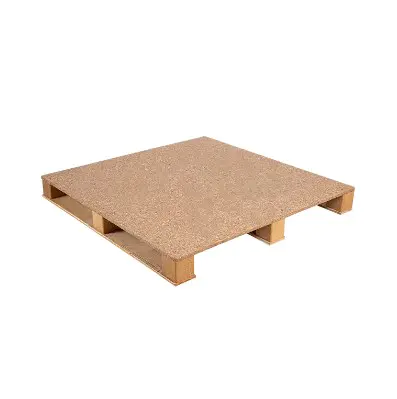
The data clearly indicates that while traditional timber pallets may offer a lower initial purchase price, they incur hidden costs through maintenance, compliance treatments, and higher failure rates. Pure plastic pallets offer excellent performance but often come at a premium price point. The molded wooden pallet strikes a middle ground, offering the durability and compliance of plastic with a cost profile closer to wood. It ultimately delivers the highest return on investment over a long-term operational cycle.
 English
 Français
 Español
 عربى
عربى