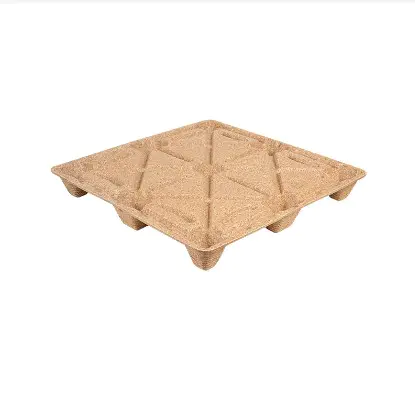
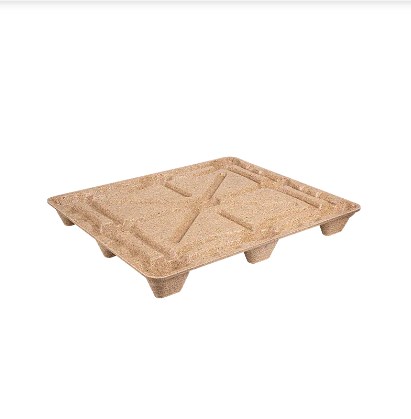
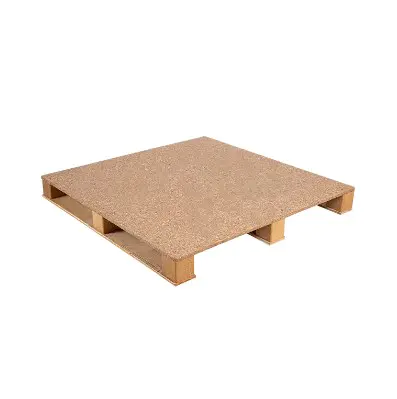
Environmentally friendly molded pallets provide a superior, sustainable alternative to traditional timber pallets by converting agricultural and wood waste into high-strength shipping platforms. By utilizing heat and pressure rather than chemical treatments, these pallets offer exceptional durability, reduce global deforestation, and eliminate the need for costly export fumigation, ultimately lowering the long-term carbon footprint and operational costs of modern supply chains.
Understanding Environmentally Friendly Molded Pallets
To appreciate the value of molded pallets, one must first understand their fundamental composition. Traditional logistics heavily rely on virgin timber, which contributes to widespread deforestation and habitat destruction. Environmentally friendly molded pallets disrupt this cycle by utilizing discarded organic materials. These materials typically include wood shavings, sawdust, damaged lumber, and even agricultural byproducts like bamboo fibers or straw.
The manufacturing process involves grinding these waste materials into fine particles, mixing them with a minimal amount of non-toxic resin, and pressing them under extreme heat and pressure. The result is a dense, uniform block of compressed fiber that forms the body of the pallet. Because the source material is essentially waste, the production of these pallets actively diverts thousands of tons of biomass from landfills and incinerators annually, turning an environmental liability into a logistical asset.
The Environmental Impact of Sustainable Pallets
The shift toward molded pallets is driven by an urgent need to reduce the ecological footprint of global shipping. The traditional wood pallet industry consumes a massive percentage of harvested hardwood and softwood. By substituting virgin timber with recycled fibers, molded pallets directly preserve living forests, which are crucial for carbon sequestration and biodiversity.
- Zero Deforestation: No new trees are cut down to produce molded pallets.
- Chemical-Free Processing: The high-temperature molding process naturally sterilizes the material, eliminating the need for toxic chemical fumigants like methyl bromide.
- Biodegradable End-of-Life: Unlike plastic pallets that persist in landfills for centuries, damaged molded pallets can be ground down and used as compost or biomass fuel.
By integrating these sustainable platforms into daily operations, businesses can significantly lower their Scope 3 emissions. The closed-loop lifecycle of a molded pallet ensures that the carbon captured by the original plant remains locked within the product until it is safely returned to the earth.
Key Advantages of Molded Pallets in Logistics
Exceptional Strength and Durability
Despite being made from waste fibers, molded pallets boast remarkable structural integrity. The compression process creates a solid, monolithic structure without weak points or gaps. They can support dynamic loads comparable to, and sometimes exceeding, traditional wood pallets. Furthermore, they are highly resistant to moisture, meaning they do not warp, rot, or splinter when exposed to damp warehouse conditions.
Space Efficiency and Nesting
Traditional pallets are bulky and difficult to stack efficiently when empty. Molded pallets are often designed with nesting capabilities, allowing them to interlock when not in use. This design can reduce storage space requirements by up to fifty percent, drastically cutting down on warehouse clutter and the cost of transporting empty pallets back to distribution centers.
ISPM 15 Compliance Without Fumigation
International shipping regulations require wood packaging to be treated to prevent the spread of invasive pests. Molded pallets are inherently compliant with ISPM 15 regulations because the high heat used during manufacturing destroys all pathogens and insects. This eliminates the time and expense associated with chemical fumigation or heat-treating virgin wood, streamlining the export process.
Comparing Molded Pallets with Traditional Wood Pallets
When evaluating a transition to eco-friendly shipping platforms, it is vital to compare them directly against the industry standard. The differences extend far beyond environmental benefits, affecting day-to-day warehouse operations and bottom-line profitability.
Table explaining the direct comparison between molded and traditional wooden pallets.
| Feature |
Molded Pallet |
Traditional Wood Pallet |
| Material Sourcing |
Recycled wood and plant waste |
Virgin timber |
| Export Compliance |
Inherently ISPM 15 exempt |
Requires chemical or heat treatment |
| Fasteners |
None (monolithic design) |
Nails and staples |
| Weight |
Lighter and uniform |
Heavy and variable |
As the comparison illustrates, the lack of nails and staples in molded pallets prevents product damage and reduces workplace injuries. Furthermore, the lighter weight of molded pallets can lead to significant savings on freight costs, especially for air freight shipments where every kilogram directly impacts the shipping rate.
Practical Applications Across Global Industries
The versatility of environmentally friendly molded pallets makes them suitable for a wide array of industries. Because they are manufactured in precise dimensions without protruding fasteners, they are highly favored in automated warehouses where robotic systems require exact measurements to function correctly.
In the food and beverage sector, hygiene is paramount. Traditional wood pallets can harbor bacteria in their cracks and are difficult to clean. Molded pallets, being solid and free of gaps, do not absorb liquids and can be easily washed down, making them ideal for transporting consumables. The pharmaceutical industry also favors these pallets for the same hygienic reasons, alongside their guaranteed compliance with international shipping laws.
Electronics manufacturers rely on molded pallets because the absence of nails means there is zero risk of a loose fastener scratching or puncturing sensitive packaging. The clean, smooth surface provides a stable base for high-value goods, reducing the likelihood of transit damage and insurance claims.
Furthermore, the retail and e-commerce sectors benefit greatly from the space-saving nesting design. As reverse logistics becomes a larger focus, the ability to stack empty pallets compactly allows retailers to manage inventory flow much more effectively, reducing the visual clutter in distribution hubs.
Cost Efficiency and Long-Term Financial Benefits
While the initial purchase price of a molded pallet might be slightly higher than a standard stringer pallet, the total cost of ownership tells a vastly different story. The financial benefits of switching to molded pallets compound over time through various channels.
- Reduced Freight Costs: Weighing significantly less than traditional wood, molded pallets decrease the gross weight of shipments, leading to direct savings on transportation, particularly in air and ocean freight.
- Lower Reverse Logistics Expenses: Their ability to nest means more empty pallets can be transported in a single truckload, slashing the cost of returning them to the point of origin.
- Decreased Product Damage: The solid, nail-free construction prevents product puncture and shifting, resulting in fewer damaged goods and lower insurance premiums.
- Extended Lifespan: Resistant to moisture, insects, and physical degradation, molded pallets enjoy a longer service life, meaning they need to be replaced far less frequently.
When these factors are combined, businesses often find that molded pallets pay for themselves within the first year of implementation. The long-term savings, coupled with the positive environmental impact, create a compelling business case for any company looking to optimize its supply chain.
Overcoming Challenges in Adopting Eco-Friendly Pallets
Transitioning to a new logistics platform is not without its hurdles. One of the primary challenges businesses face is the upfront capital investment required to replace an entire existing fleet of pallets. However, phased integration can mitigate this, starting with specific export lines or high-value product shipments where the benefits are most immediately realized.
Another consideration is the standardization of sizes. Traditional wood pallets can be easily custom-built to odd dimensions, whereas molded pallets are typically produced in standard footprints due to the cost of creating new molds. Businesses must ensure that standard molded pallet sizes are compatible with their existing racking systems and automated machinery.
Finally, employee training is essential. Warehouse staff accustomed to handling heavy, nailed wood pallets must be educated on the proper handling and stacking of molded pallets to maximize their nesting benefits. Once these minor adjustments are made, the transition is usually seamless, and the operational advantages quickly become apparent.
 English
 Français
 Español
 عربى
عربى