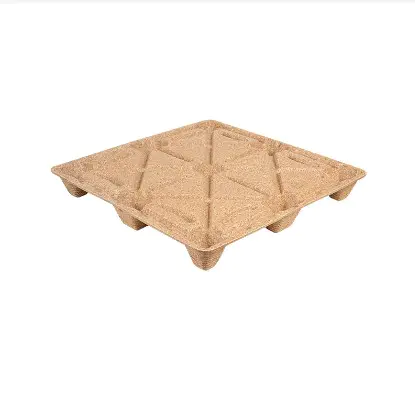
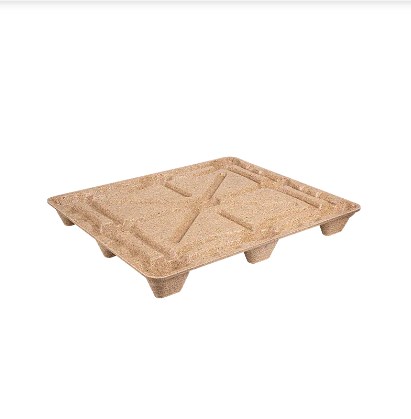
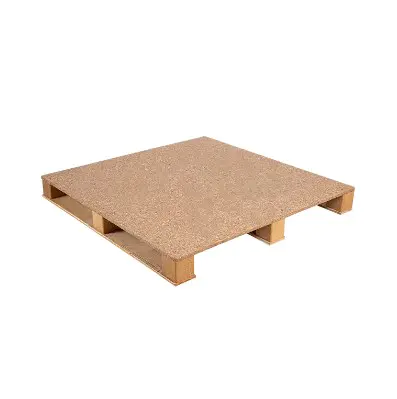
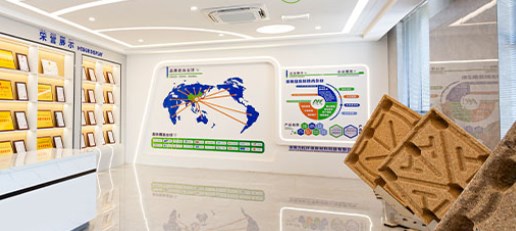
Environmentally friendly molded pallets represent a transformative shift in logistics and warehousing, offering a definitive solution to the environmental and operational drawbacks of traditional packaging. Unlike conventional wooden pallets, these engineered products utilize waste materials to create a durable, pest-free, and dimensionally consistent transport platform. They are not merely a "greener" alternative but a strategically superior one, reducing long-term costs through reusability and eliminating the risk of shipment rejection due to contamination. By integrating these pallets into the supply chain, businesses directly support circular economy initiatives while enhancing operational efficiency and safety standards.
Innovative Material Composition and Design
The core advantage of molded pallets lies in their ingenious use of resources. They are primarily manufactured from secondary raw materials that would otherwise be destined for landfills. The primary feedstocks include:
- Wood waste such as sawdust, shavings, and wood chips sourced from sawmills.
- Agricultural by-products like rice husks, straw, or cotton stalks.
- Recycled post-consumer wood products.
These materials are dried, mixed with a resin binder, and compressed under high heat and pressure. This process results in a high-density product that is structurally consistent and free from the natural defects found in solid wood, such as knots or cracks. Because the manufacturing process creates a molded form, these pallets can be designed with specific features like four-way forklift entry or nesting capabilities that are difficult to achieve with standard nailed construction.
Significant Environmental Impact and Sustainability
Adopting molded pallets is a tangible step toward reducing the industrial carbon footprint. The environmental benefits are multifaceted, extending beyond simple waste utilization. By using wood by-products, the industry reduces the demand for virgin timber harvesting, preserving forests and biodiversity. Furthermore, the production process consumes significantly less energy compared to the sawing and nailing required for traditional pallets.
A critical environmental advantage is the elimination of chemical treatments. Traditional wooden pallets often require fumigation or heat treatment to meet international shipping standards. Molded pallets, however, undergo a high-temperature molding process that inherently sterilizes the wood fibers. This makes them compliant with ISPM 15 regulations without the need for additional chemicals, preventing the introduction of invasive species across borders. At the end of their long lifecycle, these pallets can be ground down and used as biomass fuel or recycled into new products, closing the sustainability loop.
Operational Efficiency and Safety Features
From a logistical standpoint, molded pallets offer superior performance characteristics that directly impact the bottom line. One of the most significant advantages is their nesting design. Unlike conventional pallets that can only be stacked a few high before becoming unstable, empty molded pallets can be nested inside one another. This design can reduce storage space requirements by a substantial margin, allowing warehouses to maximize valuable floor space.
Safety is another paramount benefit. Traditional pallets often have protruding nails or splinters, which pose injury risks to workers and can damage sensitive goods. The molded construction creates a smooth, nail-free surface that protects products and ensures worker safety. Additionally, their precise dimensional accuracy ensures they fit perfectly in automated storage and retrieval systems, reducing the risk of jams or malfunctions in high-tech warehousing environments.
Comparative Analysis of Pallet Types
To fully appreciate the value proposition of molded pallets, it is helpful to contrast them directly with traditional alternatives. The following table outlines the key differences in performance and utility:
Table 1: Performance comparison between molded and traditional wooden pallets.
| Feature |
Molded Pallets |
Traditional Wooden Pallets |
| Material Source |
Recycled wood waste |
Virgin timber |
| Fasteners |
Nail-free, molded body |
Nails and screws |
| Export Compliance |
Exempt from fumigation |
Requires heat treatment/fumigation |
| Space Efficiency |
Nestable (saves space) |
Stackable (consumes space) |
| Durability |
High resistance to moisture |
Susceptible to rot and warping |
Economic Advantages Over the Product Lifecycle
While the initial purchase price of a molded pallet may sometimes be comparable to or slightly higher than a cheap stringer pallet, the total cost of ownership is often lower. This economic efficiency is driven by several factors:
- Reduced Transportation Costs: The lighter weight of molded pallets directly translates to fuel savings during transport. For trucking and air freight, every kilogram saved increases the profit margin.
- Lower Disposal Fees: Due to their extended lifespan, the frequency of pallet replacement is reduced, lowering the administrative and financial burden of waste disposal and repurchasing.
- Damaged Goods Reduction: The smooth surface and stable design prevent product damage during transit, reducing the costs associated with insurance claims and returns.
Businesses find that investing in higher-quality molded pallets results in a net positive financial impact over a period of just a few years. The reliability of the pallet also means fewer interruptions in the supply chain, providing a steady flow of goods that supports continuous revenue generation.
Versatility Across Diverse Industries
The adaptability of molded pallets allows them to serve a wide array of sectors. In the food and beverage industry, hygiene is paramount. The absence of nails and the inability of the pallet to harbor insects or fungi make it the ideal choice for transporting consumables. Similarly, the pharmaceutical sector relies on these pallets to ensure that sensitive medical supplies are not compromised by contamination or splintering.
In the automotive and heavy manufacturing sectors, the robust design of molded pallets can be engineered to support significant weight loads, comparable to heavy-duty plastic pallets but with better friction properties to prevent sliding. Furthermore, the export and logistics industry benefits immensely from the "ready-to-ship" status of these pallets. Without the need for compliance stamps or additional treatment paperwork, shipping processes are streamlined, reducing administrative overhead and speeding up customs clearance.
Future Trends in Molded Pallet Technology
As technology advances, the capabilities of molded pallets continue to expand. Manufacturers are exploring the integration of Internet of Things (IoT) sensors directly into the molded structure during the pressing process. These sensors could allow for real-time tracking of goods, monitoring of humidity and temperature, and verification of pallet integrity without the need for external devices.
Another emerging trend is the development of bio-based resins to replace synthetic binders. While current molded pallets are already eco-friendly, shifting to entirely organic binders would make the product 100% biodegradable. This would further enhance the circular economy model, ensuring that the pallet leaves no synthetic residue at the end of its useful life. These innovations position molded pallets not just as a product of the present, but as a vital component of future smart logistics.
 English
 Français
 Español
 عربى
عربى