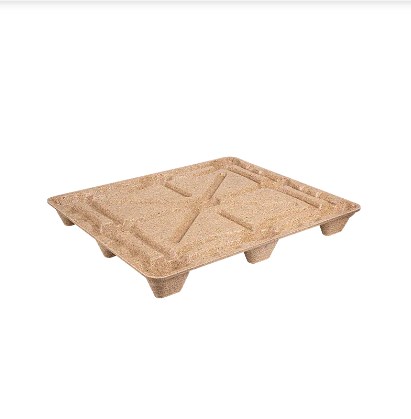
Recyclable pallet collars represent a paradigm shift in sustainable supply chain management, offering an immediate and measurable impact on both operational efficiency and environmental conservation. The direct answer to modern logistics challenges lies in adopting these modular, reusable packaging systems. Unlike traditional wooden crates or single-use shrink wrap, recyclable pallet collars provide a closed-loop solution that drastically minimizes waste. By transitioning to these systems, businesses achieve a significant reduction in packaging material costs over time, while simultaneously meeting increasingly stringent global sustainability mandates. Their inherent design allows for flat-folding, which optimizes return freight volumes, and their robust construction ensures that goods are protected against transit damage. Ultimately, the deployment of recyclable pallet collars is not merely an ecological choice but a strategic financial decision that enhances the resilience and agility of modern logistics networks.
Understanding the Core Concept
To fully appreciate the utility of recyclable pallet collars, one must understand their fundamental design and material composition. A pallet collar is essentially a hinged wooden or composite frame that fits securely around the perimeter of a standard pallet. The hinges, typically constructed from galvanized steel, allow the collar to fold flat when not in use. This seemingly simple innovation addresses a multitude of storage and transportation challenges. The materials used are deliberately chosen for their durability and recyclability. The wooden boards are often sourced from sustainably managed forests, and the steel hinges are designed to withstand years of rigorous use without failing. When a collar eventually reaches the end of its long service life, its components can be seamlessly separated and recycled. The wood can be repurposed into particle board, biomass for energy generation, or compost, while the metal hinges are melted down and forged into new steel products. This cradle-to-cradle lifecycle ensures that virtually zero waste is sent to landfills, marking a profound departure from the linear "take-make-dispose" model of traditional packaging.
Economic Advantages for Supply Chains
The financial implications of integrating recyclable pallet collars into a supply chain are substantial and multifaceted. While the initial procurement cost may be higher than that of disposable alternatives, the long-term economic benefits far outweigh the upfront investment.
Reduction in Return Freight Costs
One of the most immediate economic benefits is the optimization of return freight. Traditional rigid packaging occupies the same amount of space whether it is full or empty. Recyclable pallet collars, however, can be collapsed into a flat, compact profile. This means that a significantly larger quantity of empty collars can be transported in a single return trip. Businesses frequently report that return transport volume is reduced by a substantial margin, translating directly into lower fuel consumption and freight charges.
Minimization of Product Damage
Product damage during transit is a major source of financial loss for manufacturers and distributors. The sturdy construction of pallet collars provides exceptional structural integrity, protecting contents from compression and impact forces. Furthermore, collars can be stacked multiple units high, with each subsequent collar resting securely on the one below, creating a stable, column-like structure. This stacking capability ensures that the weight is borne by the collars rather than the goods themselves, drastically reducing the incidence of crushed or deformed products.
Labor and Assembly Efficiency
Assembly time is a hidden cost in packaging operations. Building conventional wooden crates requires significant labor, tools, and time. In contrast, a recyclable pallet collar can be deployed in seconds. An operator simply unfolds the collar, places it on the pallet, and secures it. If additional height is required, another collar is stacked on top and fastened with clips or straps. This drastic reduction in assembly time accelerates warehouse throughput and reduces overtime labor costs.
Environmental Impact and Sustainability
The ecological imperative to adopt recyclable pallet collars is compelling. As global regulations regarding packaging waste become more stringent, businesses are actively seeking compliant solutions. The environmental benefits of these collars are rooted in their reusable nature and their end-of-life recyclability.
Lowering Carbon Footprint
By replacing single-use packaging, companies can significantly lower their carbon emissions. The continuous reuse of a pallet collar means that the energy and resources expended in producing a new packaging unit are amortized over dozens or even hundreds of trips. When compared to the constant manufacturing, transportation, and disposal of one-way packaging, the carbon footprint of a recyclable pallet collar is a fraction of that of traditional alternatives over its lifecycle.
Waste Elimination and Circular Economy
Pallet collars are a textbook example of the circular economy in action. Instead of extracting virgin resources for each shipment, the same materials are kept in circulation for years. When the collar can no longer be repaired or used, it is recycled rather than discarded. This approach effectively eliminates packaging waste from the supply chain, helping companies achieve zero-waste-to-landfill certifications and enhancing their corporate social responsibility profiles.
Key Design Features and Customization
The versatility of recyclable pallet collars is largely due to their modular design and the ability to customize them for specific logistical needs. They are not a one-size-fits-all solution, but rather a flexible system that can be adapted to a wide range of applications.
Modular Stacking for Variable Heights
The most defining feature of the pallet collar system is its modularity. Users can adjust the height of the packaging by simply adding or removing collars. This means that a single inventory of pallet collars can accommodate products of varying sizes, from shallow automotive parts to tall machinery components. This adaptability means that warehouses can standardize on one packaging system rather than maintaining a costly inventory of variously sized rigid boxes.
Material and Hinge Variations
While standard wooden collars are the most common, variations exist to suit different environments. For hygienic environments such as food processing or pharmaceuticals, collars made from heat-treated or plastic-coated wood are available to prevent contamination and meet international shipping regulations. The galvanized steel hinges are standard, but stainless steel hinges can be utilized in highly corrosive or moisture-rich settings. These variations ensure that the collars remain functional and recyclable regardless of the operating conditions.
Practical Applications Across Industries
The robust and adaptable nature of recyclable pallet collars has led to their adoption across a diverse range of industries. Any sector that relies on the efficient and safe movement of goods can benefit from this technology.
Automotive Sector
The automotive industry deals with a vast array of component sizes, from small fasteners to large body panels. Pallet collars are used extensively to transport these parts between suppliers and assembly plants. The ability to stack collars allows manufacturers to create custom-sized containers on the fly, while the structural strength protects sensitive components from damage during rough transit. Furthermore, the returnable nature of the collars aligns perfectly with the automotive sector's strict cost-control and sustainability metrics.
Agriculture and Fresh Produce
In the agricultural sector, breathability and hygiene are paramount. Solid plastic containers can trap moisture, leading to the rapid spoilage of fresh produce. Wooden pallet collars allow for natural ventilation, preserving the quality of fruits and vegetables during long hauls. Additionally, they can be easily cleaned and dried, preventing the buildup of mold and bacteria. This makes them an ideal choice for moving harvests from fields to distribution centers.
Machinery and Heavy Equipment
For heavy industrial goods, the strength of the packaging is critical. Pallet collars distribute weight evenly across the pallet, preventing structural failure. Heavy castings, electric motors, and oversized mechanical components are routinely shipped using multiple stacked collars. The rigidity provided by the interlocking corners ensures that even heavy and irregularly shaped items remain secure without the need for custom-built wooden crates.
Comparative Analysis with Traditional Packaging
To truly understand the value of recyclable pallet collars, it is helpful to compare them directly with the traditional packaging methods they are designed to replace.
Comparison of Packaging Solutions Across Key Performance Metrics
| Feature |
Recyclable Pallet Collar |
Shrink Wrap / Single-Use |
Rigid Wooden Crate |
| Reusability |
High (Many trips) |
Single use |
Limited |
| Return Storage Volume |
Highly compact |
N/A (Disposed) |
Bulky |
| Assembly Time |
Seconds |
Minutes (application) |
Minutes to hours |
| Product Protection |
Excellent (Stacking) |
Poor (Compression) |
Good |
| Environmental Impact |
Very low |
High (Plastic waste) |
Moderate |
As the table illustrates, recyclable pallet collars outperform traditional methods in almost every critical metric. They offer the reusability that single-use plastics lack, and the storage efficiency that rigid crates cannot provide.
Implementation Strategy for Businesses
Transitioning to a recyclable pallet collar system requires careful planning and execution. A hasty rollout can lead to inefficiencies, whereas a strategic implementation ensures a smooth shift and rapid return on investment.
- Conduct a Packaging Audit: Analyze your current supply chain to identify the types and volumes of packaging being used. Determine which applications are best suited for the modular nature of pallet collars.
- Run a Pilot Program: Before a full-scale rollout, select a specific product line or shipping route to test the collars. This allows you to identify potential issues regarding handling, stacking, or return logistics.
- Establish Return Logistics: The success of a reusable system depends on getting the empty collars back. Develop a streamlined process for collapsing, returning, and inspecting the collars at your facility.
- Train Warehouse Staff: Ensure that all personnel understand how to properly assemble, stack, and collapse the collars to maximize their lifespan and ensure workplace safety.
- Scale and Optimize: Once the pilot program proves successful, gradually expand the use of pallet collars across the entire supply chain, continuously optimizing the process based on real-world feedback.
Maintenance and Lifecycle Management
To maximize the economic and environmental benefits of recyclable pallet collars, proper maintenance and lifecycle management are essential. A well-maintained collar can provide years of reliable service, further diluting the initial investment cost.
Regular Inspection Protocols
Collars should be inspected each time they are returned to the distribution center. Workers must check for cracked or splintered boards, which could compromise the structural integrity or pose a safety hazard. The hinges must also be examined to ensure they are securely fastened and free of excessive rust or deformation. Any collar failing inspection should be immediately removed from circulation.
Repair and Refurbishment
One of the distinct advantages of pallet collars over sealed crates is their repairability. If a board is damaged, it can be easily replaced without discarding the entire unit. This localized repair process is highly cost-effective and extends the useful life of the packaging. By keeping a small inventory of replacement boards and hinges, businesses can maintain their packaging fleet indefinitely, avoiding the continuous capital expenditure associated with purchasing new packaging.
End-of-Life Recycling Process
When a collar is no longer repairable, it enters the recycling phase. The metal hinges are removed, typically with basic tools, and sent to metal recycling facilities. The wooden components are either processed into engineered wood products or converted into biomass for energy recovery. This systematic decomposition ensures that the materials are fully utilized, leaving no residual waste.
Future Trends in Reusable Packaging
The evolution of recyclable pallet collars is far from over. As technology advances, these logistics tools are becoming smarter and even more efficient. The integration of digital tracking and advanced materials is setting the stage for the next generation of sustainable supply chain solutions.
Smart Tracking and IoT Integration
The loss of reusable packaging assets is a common challenge. To combat this, companies are beginning to integrate Internet of Things (IoT) technology into pallet collars. By embedding RFID tags or GPS trackers into the wooden frames or hinge assemblies, logistics managers can monitor the exact location and status of their packaging fleet in real time. This visibility drastically reduces asset loss and improves return logistics efficiency. Furthermore, sensors can monitor conditions such as temperature and humidity, ensuring that sensitive goods have not been exposed to unfavorable environments during transit.
Advanced Sustainable Materials
While wood is inherently sustainable, research is ongoing into alternative materials that could further reduce the environmental impact of pallet collars. Composite materials made from recycled plastics and agricultural waste are being explored. These materials offer the structural strength of wood but with increased resistance to moisture, pests, and biological degradation. Such advancements would make pallet collars suitable for an even wider range of harsh environments while maintaining their end-of-life recyclability, pushing the boundaries of what sustainable packaging can achieve.
 English
 Français
 Español
 عربى
عربى