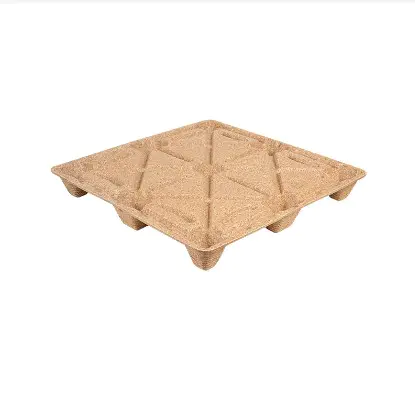
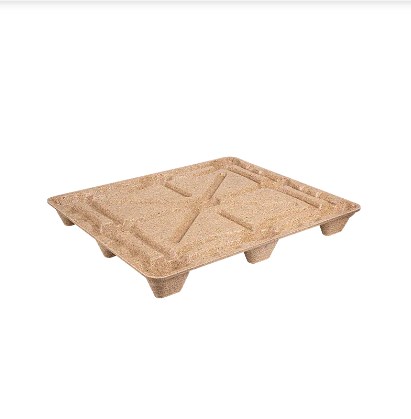
Foldable pallet boxes effectively cut idle warehouse occupancy and round-trip transport expenditure, achieving over half a reduction in empty container storage space compared with fixed-type pallet containers, becoming a mainstream reusable loading container for modern bulk material circulation across multiple industries. Unlike rigid non-foldable containers that occupy identical space whether loaded or empty, collapsible structural design is the core competitive point of such packaging products, matching the lean logistics management needs of raw material warehousing, finished goods turnover, and cross-regional distribution.
Basic Structural Composition of Foldable Pallet Box
Detachable Side Panel Configuration
Most standard foldable pallet boxes adopt split surrounding side plates matched with integrated bottom pallet base, connecting parts use movable hinge or quick lock buckle design to realize rapid folding operation without auxiliary installation tools. The base retains standard pallet fork hole position to adapt to manual pallet truck and mechanical forklift operation standards in mainstream warehousing environments.
- Four surrounding side walls can be folded inward toward the bottom frame independently
- Locking buckles distributed on side edges for fixing box body during loaded status
- Bottom frame integrated with anti-slip structure to avoid cargo sliding in stacking
Common Production Raw Material Categories
Two primary material options dominate the market, plastic and metal sheet, each suited for differentiated loading weight and service environment requirements. The below table sorts core trait differences between the two mainstream raw material types for intuitive reference:
Material comparison of mainstream foldable pallet box
| Raw Material |
Environmental Adaptability |
Typical Application Scenario |
| Hard Engineering Plastic |
Moisture-proof, rust-free, poor high-temperature resistance |
Food, daily chemical lightweight cargo storage |
| Galvanized Metal Plate |
High load bearing, anti-impact, susceptible to damp corrosion |
Hardware, auto parts heavy cargo turnover |
Key Economic Advantages in Practical Logistics Usage
Reduce Empty Container Storage and Transit Cost
Enterprises using circular pallet box distribution need to take back empty containers after cargo delivery, and foldable design solves the high cost of empty box backhaul which troubles traditional fixed containers. In bulk cyclic distribution business, fold processing allows multiple empty boxes to be nested and stacked, cutting backhaul transportation quantity significantly, helping businesses lower vehicle dispatching frequency for empty container recovery.
- Warehouse idle storage area shrinks after empty box folding, freeing space for incoming finished goods stocking
- Lower fuel and labor expenditure generated from repeated empty container long-distance haulage
- Extend service cycle to decrease regular new container procurement frequency
Improve Warehouse Space Utilization Efficiency
Regular fixed pallet boxes occupy fixed cubic space no matter full or empty, while folded pallet boxes only retain the thickness of bottom base and folded plates. For medium-sized distribution warehouses with dozens of circular turnover containers, the saved idle space can be transformed into additional cargo storage area to boost overall warehouse operational capacity without expanding warehouse construction area.
Main Industrial Application Fields of Foldable Pallet Box
Thanks to flexible folding and stacking property, this container product has been widely adopted across downstream manufacturing and circulation industries, covering raw material incoming storage and finished product outbound delivery links.
- Automotive accessory manufacturing: store spare parts, stamping components for workshop internal turnover
- Food processing industry: pack packaged food raw materials to realize workshop to warehouse cyclic turnover
- General hardware production: contain small metal fittings, avoid scattered loss during inventory transfer
- Agricultural product circulation: hold bulk fruits and vegetables for cold storage and wholesale market transit
Daily Maintenance Tips to Prolong Service Life
Reasonable routine maintenance can avoid premature damage of folding hinge and locking parts, stabilizing long-term use benefit of foldable pallet boxes. Focus maintenance work centers on movable connection components and box surface wear inspection.
Periodic Inspection Focus Items
Operators should conduct regular spot check on hinge flexibility and lock tightness before and after each batch of turnover use. Damaged buckles or deformed side plates need timely replacement to prevent cargo collapse risk during high stacking operation.
Environment Matching Storage Rules
Plastic-made foldable pallet boxes shall avoid long-term exposure under high-temperature open-air environment to prevent plate aging and brittleness; metal-style products need regular surface decontamination to clear corrosive residue left by chemical raw materials, slowing rust generation speed on metal components.
 English
 Français
 Español
 عربى
عربى